Liven App Review: Is This Mental Health App Worth It or a Subscription Trap?
You've seen the ads — AI-generated songs, crochet characters, dopamine obsession. But is the Liven app actually useful? Here's my honest breakdown.

If you've been spending any time on TikTok or Instagram Reels lately, you've almost certainly seen one of those ads. An AI-generated pop song plays over a crochet cartoon character. The lyrics are about dopamine obsession, ADHD, procrastination, or emotional imbalance. Then at the end, a voice says: meet Libby, our AI companion.
The app behind those ads is called Liven — also written as "Living" or "Liven" depending on which ad you're watching (they can't even say their own company name clearly, because they're using an AI voice).
The ads are everywhere. And they're targeting a very specific audience — people dealing with ADHD, dopamine-related habits, anxiety, procrastination, and general mental health struggles. Whether you find these ads helpful or exploitative depends on your perspective, and we'll get into that.
But the real question most people are asking is: is the Liven app actually useful, and is it worth paying for?
This review covers everything — the viral ad strategy, the actual features inside the app, the AI companion, the pricing, the billing complaints, and whether the whole thing is worth your time and money.
The Viral Ads
Let's start with the ads, because that's most likely how you found this app in the first place.
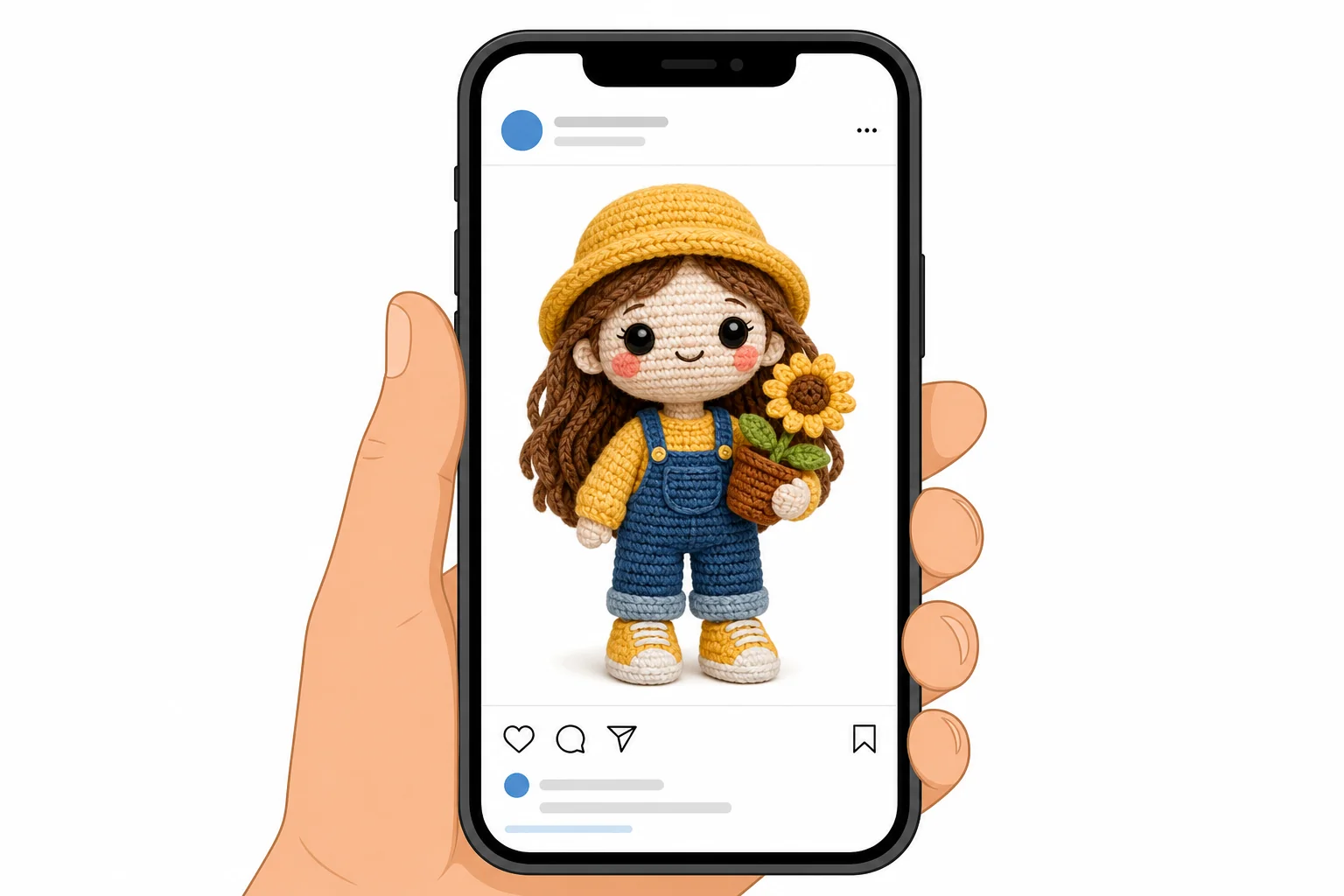
Liven runs an aggressive social media ad campaign built around short-form video content. The ads follow a clear formula: an AI-generated pop song plays in the background with lyrics about a specific mental health or behavioural pattern, overlaid on an AI-generated character — often a crochet-textured figure or a Pixar-style dragon — acting out the scenario.
Some of the actual ad titles that have been seen in the wild include things like "This is how dopamine obsession looks in women," "This is how ADHD sabotages career success in high-performing men," "Procrastination fueled by trauma response, not laziness," and — in one particularly jaw-dropping example — "This is how I became an abusive parent due to procrastination."
Yes, that last one is set to an upbeat AI pop tune. The disconnect is jarring.
The Problem With How These Ads Frame Mental Health
The ads aren't just aggressive in volume — they're problematic in framing. By wrapping complex, multi-faceted mental health struggles (ADHD, dopamine regulation, anxiety) inside catchy songs that point the finger at personal failure, these ads are doing something troubling: they're turning nuanced biological and social experiences into an addiction narrative.
If your brain has lower baseline dopamine levels, that's not an addiction. Going on a "dopamine detox" won't fix it. But Liven's ads frame these experiences in a way that implies they're entirely your fault — and that an app can solve them.
That's a big promise. And it's worth keeping in mind as we look at what the app actually delivers.
What Is the Liven App? Who Is It For?
Liven describes itself as a companion app to help you with your life. Their own marketing breaks down the target audience into characters: "the overwhelmed mom with too much on her plate," "the time-lost dad who struggles to prioritize," "the self-doubting grandma," and "the uninspired Susan looking for motivation."
In other words — everyone. Which, in practice, means the messaging is vague enough to make almost anyone feel like it's speaking directly to them.
The app itself is a self-improvement and mental wellness platform that combines several features into one subscription: a mood tracker, CBT (cognitive behavioural therapy) text-based courses, daily task management, a personality test, soundscapes, and an AI companion called Libby.
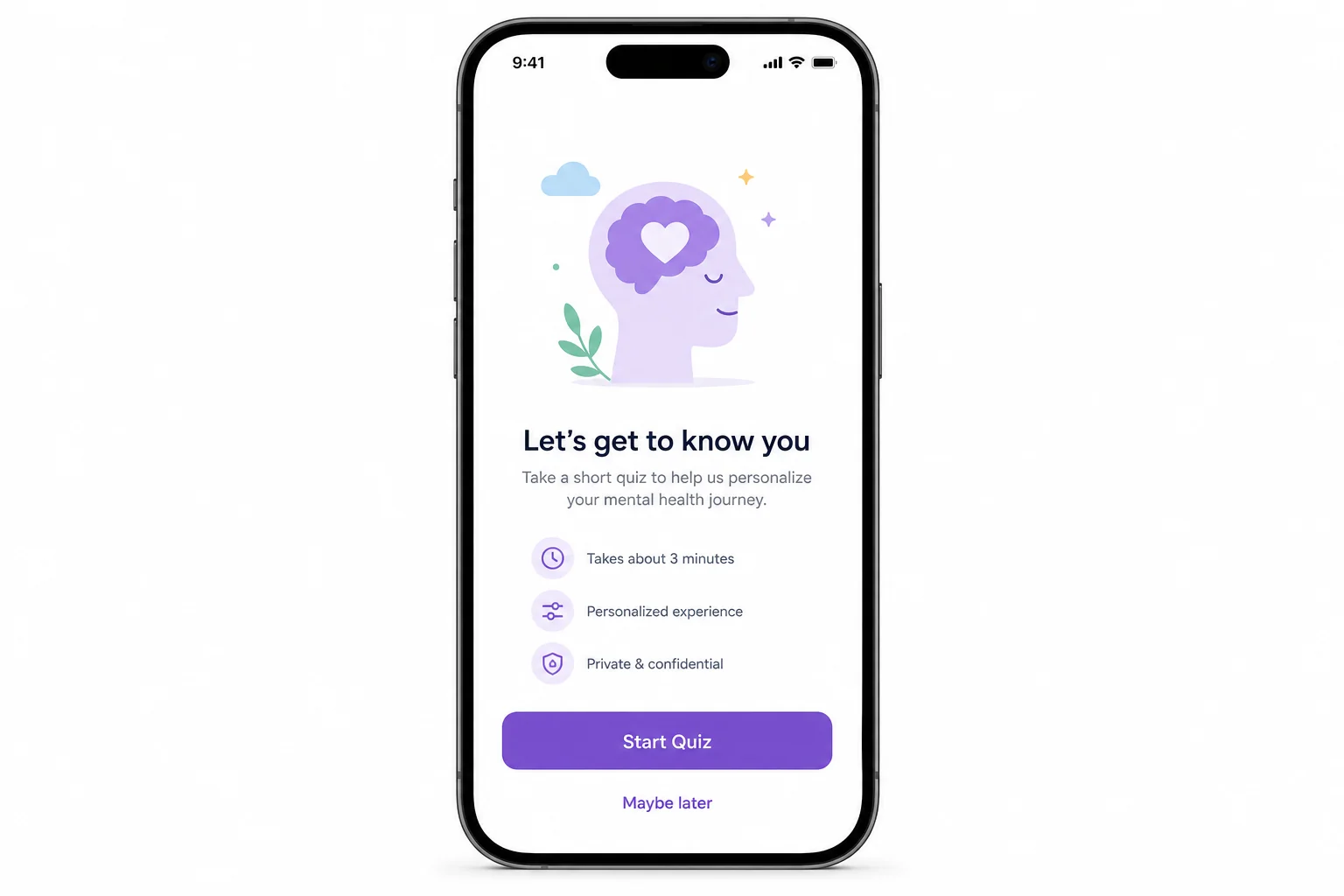
The sign-up experience follows a quiz-style onboarding — a format that will feel immediately familiar if you've ever gone through apps like Finelo or Coursiv. You answer a series of questions about your mood, habits, and goals, and the app then generates a "personalised plan" — along with a countdown timer and a message that your plan is about to expire if you don't subscribe now.
That scarcity tactic is standard across this category of apps. It's designed to push you past your hesitation and into a payment decision before you've had time to think clearly.
Features Inside the App: What You Actually Get

Once you're inside, here's what Liven actually offers:
- Mood tracker: You log how you're feeling each day and pick from a set of emotions — bored, calm, content, busy, and so on. You can note who you're with and what you're doing. The app then gives you a short insight on that emotion.
- Daily tasks: You can add tasks for the day, tick them off, and track your completion. Basic but functional.
- CBT-based courses: Short text-based lessons organised by theme — perfectionism, procrastination, stress, sleep, and more. These are the main educational content inside the app.
- Personality tests and assessments: A series of quizzes with 40+ questions that give you an analysis and recommendations for which programs might suit you.
- Soundscapes: Ambient audio tracks lasting around 30 minutes — rain, forest, white noise, and similar options.
- AI companion (Libby): A chat-based AI you can talk to about your day, your feelings, or anything you want.
On paper, it's a reasonable set of features. In practice, the execution has some significant problems — particularly around depth and value for money.
The CBT Courses Are Mostly Text on a Screen
The courses inside Liven are entirely text-based. No audio lessons, no video, no interactive exercises — just slides of words. For someone commuting, working out, or sitting on a bus with a shaky screen, that's already a limitation.
More critically, reviewers and users consistently describe the CBT content as either hard to digest or too surface-level to be useful. One reviewer described it as "words on a page rather than actually being able to really grab and hold the information." After completing a few of the modules, many users report not coming back to the app regularly — which defeats the entire purpose of a wellness tool.
Libby the AI Companion: Just ChatGPT With a Different Name?
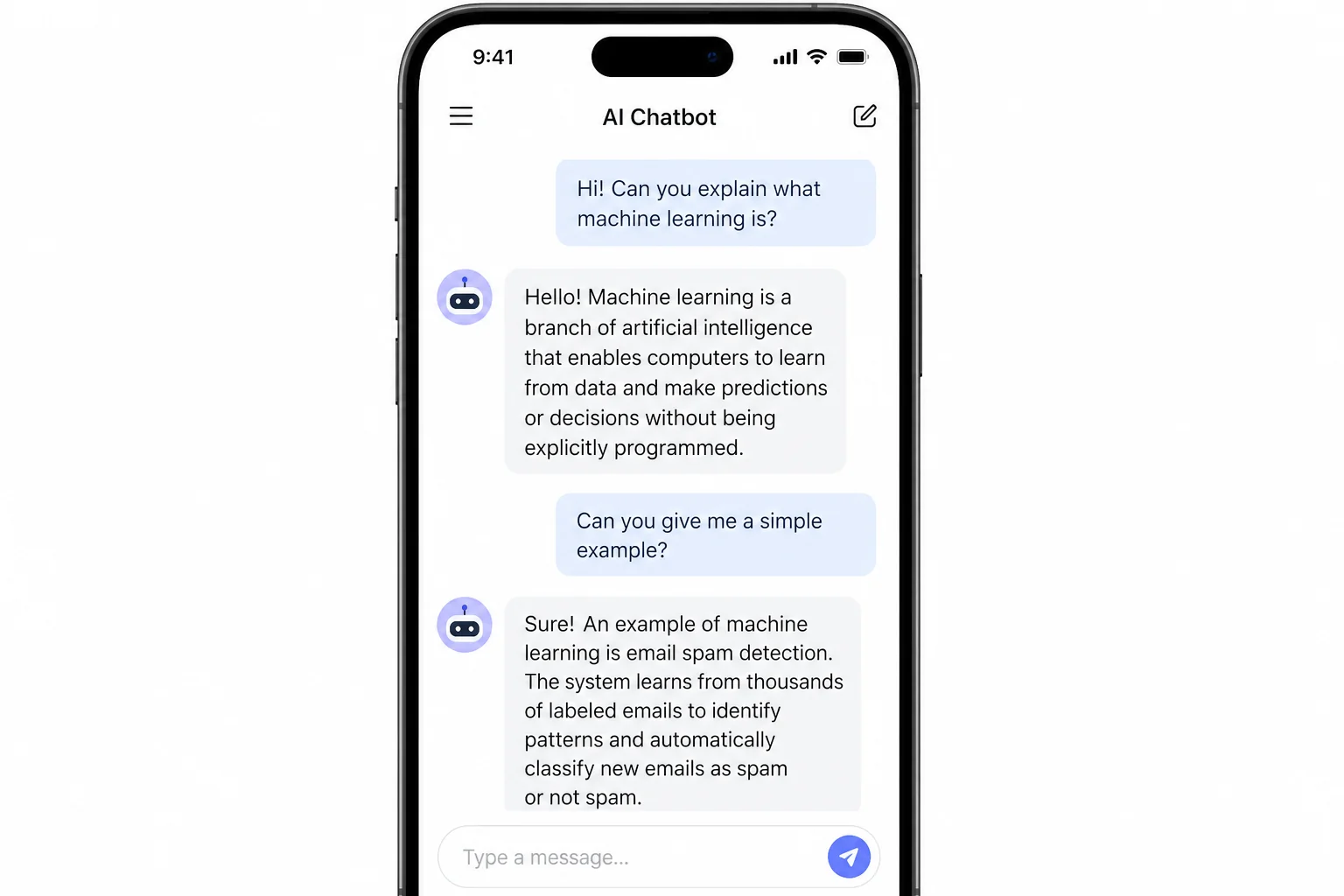
Libby is the centrepiece of Liven's marketing. "Ever wish someone would listen to you rant without judgment even at 3 AM?" That's literally their pitch for Libby.
The honest answer to what Libby actually is: it's a reskinned AI chatbot. The responses are generated, the interface is a chat window, and the core capability is identical to what you'd get by opening ChatGPT and asking it to act as a supportive listener.
This isn't speculation — it's pretty obvious from how it works. And technically, you could achieve the same thing with any general-purpose AI tool for free. Liven's Libby just wraps that capability inside a subscription with branding and a name.
There's also a practical problem: Libby is slow. One real user reviewer noted they've barely used the feature because it takes a very long time to load and generate responses. In an era where people expect instant AI responses, that friction alone is enough to kill the habit.
The Non-Personalised Progress Graphs
Another feature worth calling out: Liven shows you a projected progress graph during or shortly after onboarding. It's a line chart that shows where you are now (not great) and where you'll be in a few months if you use Liven (much better).
The problem? These graphs are not personalised to your actual responses. They're generic templates designed to make you feel like improvement is guaranteed if you just subscribe. Mental health doesn't work that way. Good days and bad days don't follow a smooth upward curve, and showing someone a graph that implies it does is, at best, misleading and, at worst, emotionally manipulative toward vulnerable users.
Liven App Pricing: What Does It Cost?
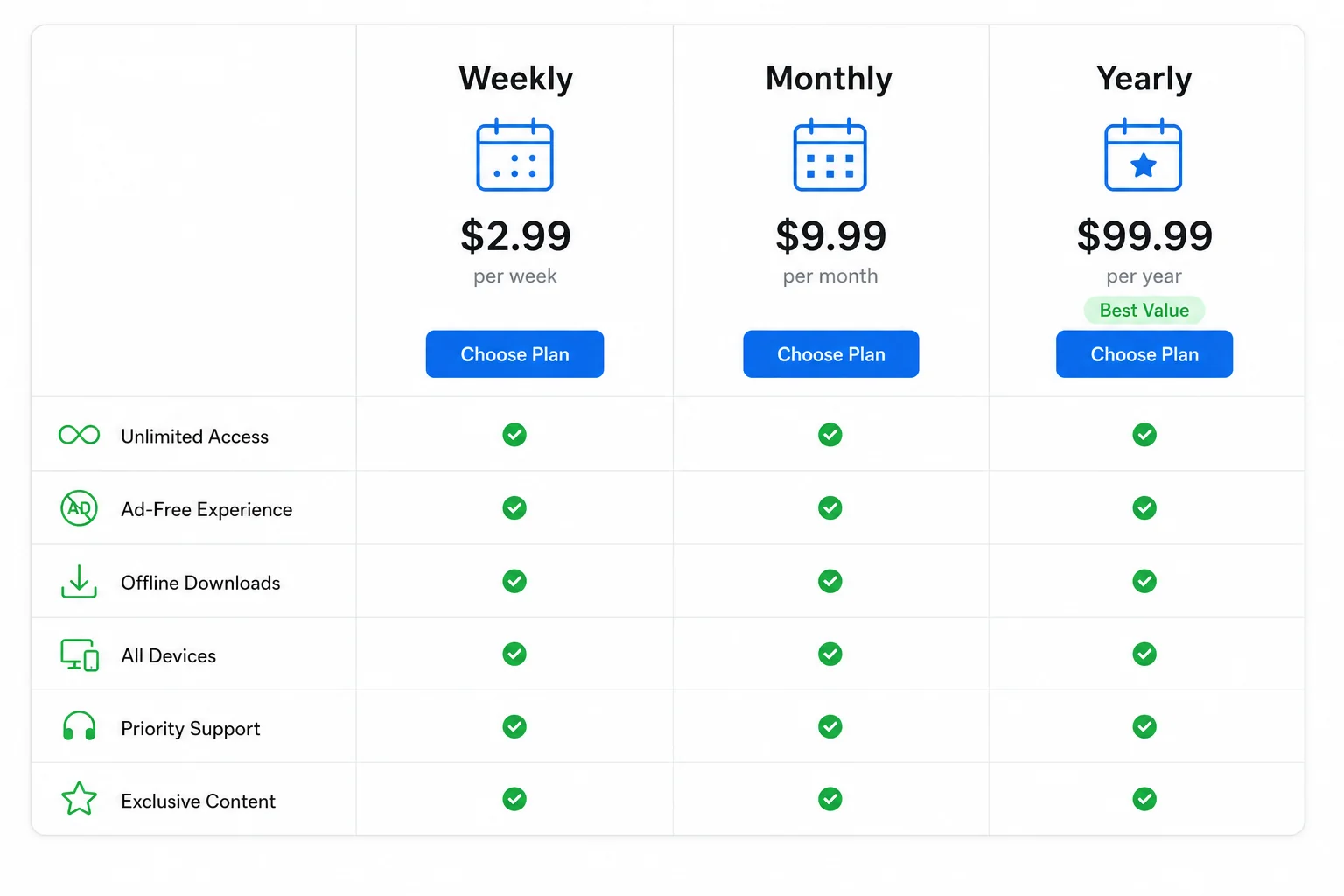
Liven's pricing sits at approximately $12.99 per week for its standard plan. That's not $12.99 a month — it's weekly. At that rate, you're looking at roughly $50+ a month if you're not tracking carefully.
The plan includes your personalised self-growth plan, an advanced mood tracker, well-being content, and unlimited access to the AI companion Libby. There are other plans available, but the weekly rate is the one most commonly cited in user reviews.
The Subscription and Billing Complaints
This is where things get genuinely alarming. A consistent thread across user reviews — on app stores and community forums — involves unexpected charges and difficulty cancelling.
Real complaints from users include being charged for months without receiving any email notification or receipt, subscriptions renewing after cancellation attempts, and the company being set up in a way that gives them ongoing payment access through certain processors.
One user described having to change all their bank details to stop the charges. Another reported being charged £100 by what they described as a "cyberspace company" with no refund response. A third noted they realised only after eight months that they had been paying $40 regularly without ever being notified.
The recurring pattern here — a quiz-based onboarding that creates urgency, a subscription that auto-renews, and billing disputes that are difficult to resolve — is something you may recognise from our Finelo review and our Coursiv review. Different industries, same playbook.
One practical tip worth sharing: if you do want to try any app in this category, download it directly from the Google Play Store or Apple App Store rather than through the app's own website. That way, billing is managed through Google or Apple's systems, which makes cancellation significantly easier and gives you a cleaner route to dispute charges if needed.
What Are Real Users Saying?
The review picture for Liven is genuinely mixed — but the pattern of the positive reviews is worth noting. A significant portion of the five-star reviews come from accounts that have only ever reviewed Liven. The writing in many of those reviews has a similar AI-assisted quality to it.
Some actual positive review language that appeared: "This tool has helped me feel harmony and positivity in my life. I am grateful that it has become a participant in my important changes and support on the path to inner peace." That phrasing — "a participant in my important changes" — doesn't read like how a real person naturally describes a self-help app.
On the other side, the negative reviews are far more specific and credible. They focus on billing issues, lack of refunds, and the gap between what the ads promised and what the app delivered. One user called out the "deceptive practice of auto-renewal" and the near-invisible small print. Another said the app offers nothing new compared to what's freely available.
A proper hands-on reviewer who spent time inside the app gave it a 4 out of 10, saying it "doesn't really excite or offer anything new" and that after going through a couple of the modules, there wasn't much to keep bringing them back.
Verdict: Should You Download the Liven App?
Here's an honest summary.
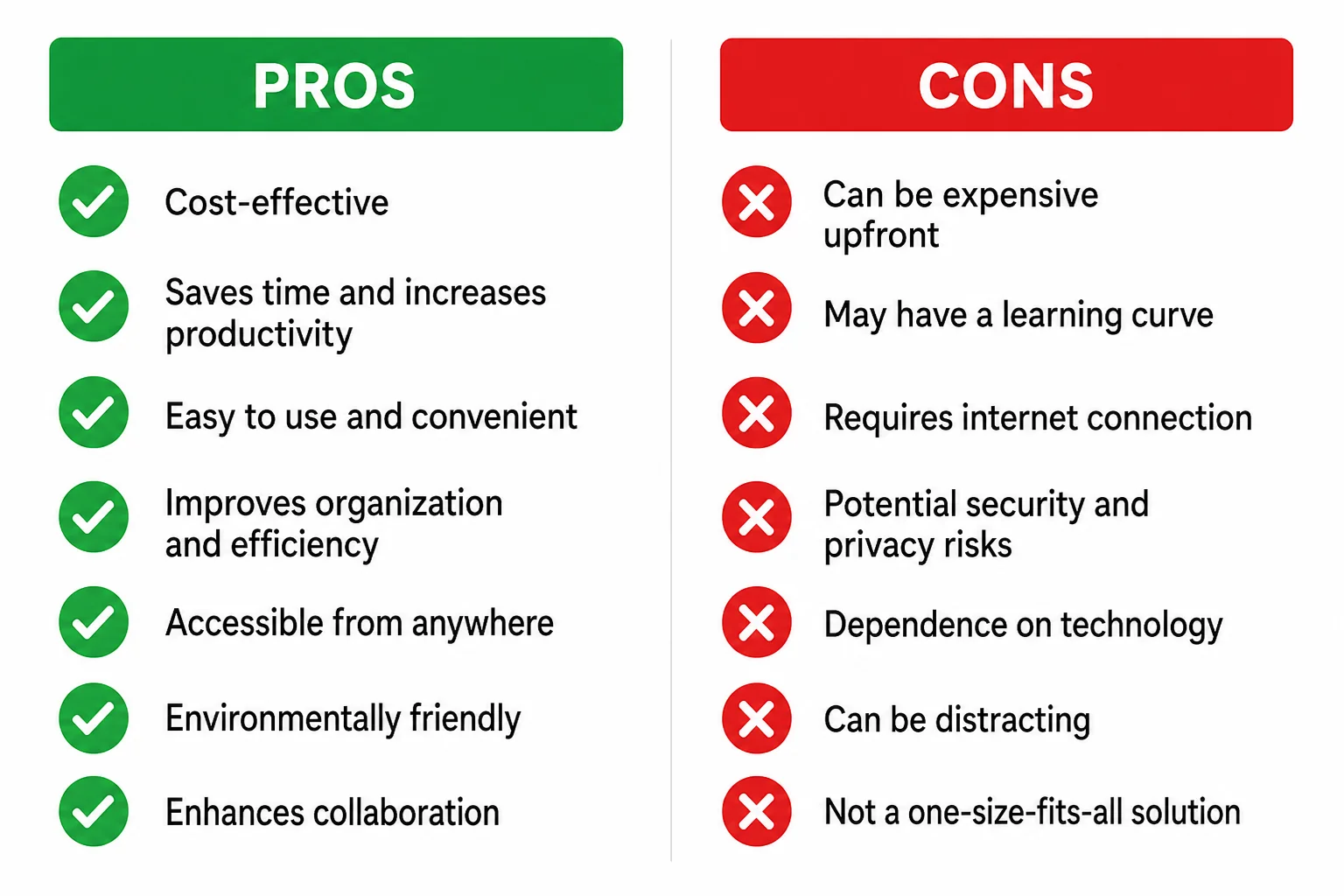
The good: Liven is a real app with real features. The mood tracker works. The task system is simple and functional. The soundscapes are a nice touch. If you've never tried any kind of self-tracking or CBT-adjacent content before, there might be some value in getting started here.
The bad: The content is too surface-level for anyone who has done even basic reading on mental health. The CBT modules are text-heavy and hard to retain. Libby the AI companion loads too slowly and doesn't offer anything you can't get from a free AI tool. The progress graphs are misleading. And the billing complaints are serious enough that you should approach the subscription with real caution.
The ugly: The ad strategy targets people who are genuinely struggling with mental health — ADHD, anxiety, procrastination, emotional regulation — and frames those struggles as personal failures that an app can fix. That's an ethically questionable approach when the app itself delivers fairly shallow content at a high weekly price.
If you want to try it, the smartest path is to download it through your app store (not the website), use whatever free trial is available, set a reminder to cancel before it renews, and go in expecting a basic tool rather than a transformation.
Quick Summary Table
| Feature | Our Take |
|---|---|
| Mood tracker | Works, simple to use |
| CBT courses | Text-only, surface-level, hard to retain |
| AI companion (Libby) | Slow, essentially a rebranded chatbot |
| Soundscapes | Fine, nothing special |
| Onboarding quiz | Leading questions, fake urgency tactics |
| Progress graphs | Not personalised, misleading |
| Pricing | $12.99/week — expensive for what you get |
| Billing/cancellation | Multiple complaints, proceed with caution |
| Overall rating | 4/10 — nothing new, not worth the price |
Frequently Asked Questions
What is the Liven app?
Liven (also sometimes called Living) is a mobile mental wellness and self-improvement app featuring a mood tracker, CBT-based text courses, daily tasks, soundscapes, and an AI companion called Libby. It's best known for its aggressive TikTok ad campaign featuring AI-generated music and animated characters.
Is the Liven app a scam?
The app is real and does have functional features. However, there are consistent complaints from real users about unexpected billing, difficulty cancelling subscriptions, and charges continuing after cancellation. Whether that qualifies as a scam depends on your definition, but the billing pattern is something to be aware of before you sign up.
How much does Liven cost?
Approximately $12.99 per week, which works out to over $50 per month if you're not cancelling actively. There are also reports of additional charges for certain modules within the app.
Is Libby actually an AI or just ChatGPT?
Libby is an AI chatbot built into the app. Based on its behaviour and the way it generates responses, it functions like a general-purpose AI tool — similar to ChatGPT. You could replicate the same experience for free using any AI chat tool and asking it to respond supportively.
How do I cancel the Liven app subscription?
The safest approach is to download the app through Google Play or the Apple App Store rather than the Liven website, and manage the subscription through your respective app store's billing settings. This gives you a cleaner cancellation path and reduces the risk of ongoing charges.
Are there better alternatives to Liven?
If you're looking for mental health support, there are more established apps with stronger content quality — Headspace and Calm for mindfulness, Woebot for CBT-based conversation, and Daylio for mood tracking. For the AI companion angle specifically, most general AI tools will give you a similar or better experience for free.
Final Thoughts
The Liven app isn't the worst thing on the market. But it's a good example of a product that's built its brand almost entirely on its advertising rather than on genuine quality of content.
The ads are clever, emotionally targeted, and algorithmically optimised to reach people who are already struggling. The onboarding quiz creates false personalisation and urgency. And once you're inside, you get text-based lessons, a slow AI chatbot, and a mood tracker that — combined — aren't meaningfully better than free alternatives.
The billing complaints are the part that tips this from "disappointing" to "be careful." Multiple users from different countries have reported charges continuing after cancellation and difficulty getting refunds. That pattern is consistent enough that it warrants real caution.
If you do try Liven, use your app store, not their website, set a cancellation reminder immediately, and keep evidence of any correspondence with their support team. And perhaps ask yourself whether a free AI tool and a good book might serve you just as well.